
Insurance Claims After Storm Damage: What You Need to Know

Insurance Claims After Storm Damage: What You Need to Know

Sep 29, 2025
312
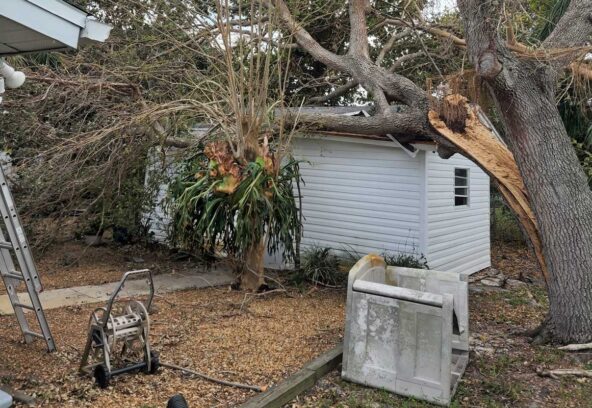
Insurance agent inspecting property exterior for coverage assessment

The storm has passed, and the morning light reveals the damage. A massive limb is resting on your roof, part of your beautiful oak is now sprawled across the driveway, and you’re staring at a mess that feels overwhelming. Take a deep breath. You’re not the first homeowner to face this, and you won’t be the last. We’ve walked countless neighbors through this exact situation, and we’re going to walk you through it too—one clear step at a time.

This article is your calm, straightforward checklist for navigating the insurance process and getting your property cleaned up safely. Whether you’re dealing with a fallen tree, storm-damaged limbs, or extensive debris, understanding how to file a claim for storm damage doesn’t have to add to your stress. Let’s break it down together.

Safety First! Your Immediate Post-Storm Actions

Before you think about insurance paperwork or cleanup, your safety comes first—period. Storms create hazards that aren’t always obvious at first glance, and the last thing anyone needs is an injury on top of property damage.

Start by doing a visual inspection from a safe distance. Look for downed power lines anywhere near trees or debris. Even if a line looks “dead,” assume it’s live and stay far away. Call your utility company immediately if you spot any.

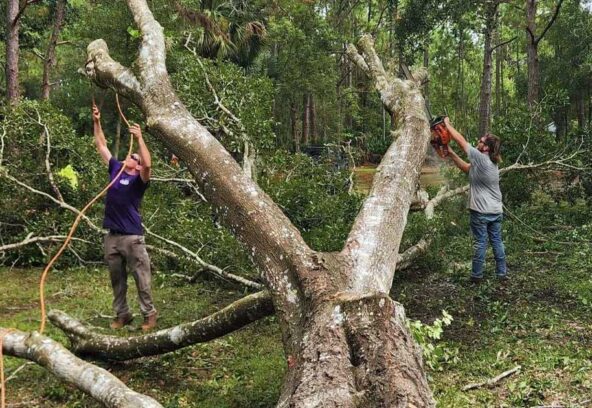
Check for unstable trees or large limbs that are hanging precariously—these are called “widow makers” for a reason. They can fall without warning. And as much as you might want to assess the roof damage up close or grab a chainsaw to start clearing limbs, don’t. We know the urge to take action is strong, but climbing on a damaged roof or attempting major tree removal yourself can turn a property problem into a personal tragedy. Leave the dangerous work to licensed professionals who have the proper equipment and training.

Step-by-Step: Documenting Damage for Your Claim

Here’s the truth: documentation is the single most important thing you can do right now. Your insurance company needs to see what happened, and the better your evidence, the smoother your storm damage insurance claim will go. Think of your phone as your most valuable tool in this process.

Photos and Videos Are Your Best Friend

Before anything gets moved, cut, or cleaned up, take extensive photos and videos of all the damage. We’re talking dozens of pictures from every angle you can safely access. This isn’t the time to be conservative with your camera roll.

Get wide shots that show the entire scene. If a tree fell on your house, step back and capture the whole picture—the tree, the roof, the surrounding yard. These establish the scope of the damage.

Then move in for close-ups of specific points of impact. Where exactly did that limb hit the roof? Are there broken shingles? Damage to gutters? Punctures in the roofing material? Document it all.

Show the fallen tree or limb from multiple angles. Photograph where it used to stand (the stump or torn trunk), where it landed, and everything in between. If it damaged a fence, a vehicle, or landscaping, get those too.

post-img-2-min
post-img-3-min

Write It Down

Alongside your photos, jot down some basic information. Note the date and time of the storm, and write a brief description of what you’re seeing. It doesn’t need to be fancy—something like “Large oak limb approximately 30 feet long fell on southeast corner of roof during storm on 2026” is perfect. This simple written record adds credibility and clarity to your claim.

Think of this documentation as building your case. The insurance adjuster wasn’t there when it happened, so you’re painting the picture for them.

Making the Call: Contacting Your Insurance Agent

Once you’ve documented everything, it’s time to contact your insurance company. Have your policy number ready, along with all the photos and notes you just created. Most insurance companies have 24/7 claims hotlines, especially during storm season, so don’t wait for business hours.

When you call to file your fallen tree insurance claim, there are a few key questions you should ask:

"What is my deductible for this type of damage?"
You need to know upfront what you'll be responsible for paying. If the damage costs less than your deductible, filing a claim might not make financial sense.
"Is tree debris removal covered by my policy?"
Tree damage homeowners insurance policies vary widely. Some cover removal only if the tree damaged a structure. Others include debris removal up to a certain dollar amount. Get clarity on what your specific policy covers.
"Do I need to get multiple estimates for the tree work?"
Some insurance companies require this, others don't. Know their requirements before you start getting quotes.
"What is the deadline for filing the claim?"
Most policies have a time limit. Don't miss it.

After you file your claim, the insurance company will assign an adjuster to inspect the damage. This adjuster is essentially an investigator who assesses what happened and determines what the insurance company will pay. They’ll want to see the damage in person, so try not to do any major cleanup before they visit unless it’s an emergency situation (like a tree actively damaging your roof further—more on that below). The adjuster will take their own photos, ask you questions, and review your documentation. Be honest and straightforward in your answers.

Making the Call: Contacting Your Insurance Agent

This is where having a trusted, local tree service makes all the difference. Not all tree work is created equal, and understanding the distinction between emergency services and full cleanup is important for your insurance claim.

Emergency Services vs. Full Estimates

If you have a tree actively on your roof, punching through it further with every gust of wind, or blocking your only exit, that’s an emergency. Emergency tree removal is about preventing additional damage or safety hazards. In these situations, you typically don’t need to wait for the insurance adjuster—in fact, most policies require you to mitigate further damage. Document the emergency situation thoroughly, and contact a licensed tree service immediately. Home Grown Outdoors offers 24/7 emergency response throughout Florida and can often be on-site as soon as conditions are safe.

For non-emergency cleanup—like removing a tree that fell in your yard but didn’t hit anything, or cutting up debris—inform your insurance company before the work begins. This is when you’ll want to get a detailed quote.

Why a Detailed Quote Matters

A professional estimate from a reputable tree service isn’t just a price—it’s documentation for your insurance claim. A quality quote should itemize everything clearly: tree removal costs, stump grinding, debris hauling, number of hours, equipment needed, and any special considerations. This itemized breakdown is exactly what insurance adjusters need to justify the payout.

When you get a quote for tree removal, make sure it’s from a licensed and insured company. At Home Grown Outdoors, our estimates walk you through what we recommend, why we recommend it, and what each piece of the work entails. We’ve worked with insurance adjusters countless times, and we know how to present information that helps your claim move smoothly.

Beware of “Storm Chasers”

Here’s a firm warning: after any major storm, out-of-town crews show up looking for quick cash. They drive through neighborhoods with unmarked trucks, knock on doors, and offer to “take care of everything right now” if you pay them cash upfront. Don’t do it.

These “storm chasers” are often unlicensed, uninsured, and gone before you realize the work was done poorly—or not done at all. If something goes wrong or someone gets hurt on your property, you have no recourse and potentially massive liability. Even if their price sounds good, it’s not worth the risk.

Stick with local, established companies. We’re not going anywhere. We’re your neighbors. Home Grown Outdoors has been serving Central Florida for eight years, we’re fully licensed and insured, and we have a reputation in this community that we protect fiercely. When you hire local, you’re hiring someone who will be here long after the storm passes.

You’ve Got This

Let’s recap the essential steps: prioritize safety above all else, document every bit of damage with photos and notes before cleanup begins, and contact your insurance agent with your policy number and all your documentation ready. Get a detailed, professional quote from a licensed tree service, and don’t be tempted by too-good-to-be-true offers from fly-by-night crews.

Filing an insurance claim after storm damage can feel daunting, especially when you’re already stressed and exhausted. But with a clear plan and the right professional partners, you can get through this. Your property will be restored, and life will return to normal—one step at a time.

If you need help with emergency tree removal, a detailed estimate for your insurance claim, or just someone to walk your property and give you honest advice about what needs to happen next, Home Grown Outdoors is here. We’re local, we’re licensed, and we’ve been helping Florida homeowners through storms for years. Give us a call at 321-987-1258, and let’s get your property safe and cleaned up the right way.

Home Grown Outdoors provides professional tree removal, emergency storm response, and complete land clearing services throughout Central Florida. Licensed, insured, and locally owned, we’re your neighbors—and we’re here to help when you need it most.

Make A Comment

About Home Grown Outdoors

Homegrown Outdoors logo featuring an a vintage off-road vehicle on a purple background

Our commitment goes beyond just cutting trees. We follow strict International Society of Arboriculture standards, use spikeless climbing to protect tree health, and create long-term maintenance plans that save you money. When hurricanes strike, we’re among the first to respond, handling insurance claims directly so you can focus on recovery.

Recent Posts

Categories

Cart (0 items)