
It’s the question we get more than any other.
A homeowner walks us around their property, points at a tree, and asks: “So… should this one come down?”
Sometimes the answer is obvious. A tree that’s split down the middle after a storm, leaning 30 degrees toward your living room, or covered in shelf fungus isn’t exactly a judgment call. But most of the time? It’s complicated. The tree looks a little rough, but it’s been there for decades. Maybe it shaded your kids’ swing set. Maybe your grandmother planted it. Maybe you just don’t want to spend money removing something that might be fine.
Here’s the truth: removing a tree is almost never an emergency decision, but ignoring a problem tree definitely can become one. The good news is that with a proper assessment, you can make an informed choice—and sometimes, a tree that looks like a goner can actually be saved with the right care.
Let’s walk through what we look at when evaluating a tree, and what those warning signs actually mean for homeowners here on Florida’s Space Coast.
What We’re Really Looking For
When an arborist evaluates a tree, we’re not just deciding “healthy or dead.” We’re asking a series of questions that most homeowners don’t know to ask:
- Is this tree structurally sound? A tree can be alive and thriving but still dangerous if its structure has been compromised. Cracks in the trunk, major deadwood in the canopy, co-dominant stems with included bark—these are the things that fail in storms, often without warning.
- Is the root system intact? This is the part you can’t see, which is exactly why it’s so dangerous. Root damage from construction, soil compaction, or flooding can destabilize a tree that looks perfectly healthy above ground. We’ve seen Live Oaks that leafed out beautifully in spring and toppled over in a mild summer storm because their root plate had rotted away years earlier.
- Is the tree in decline, or just stressed? There’s a real difference. A stressed tree—one dealing with drought, nutrient deficiency, or pest pressure—can often bounce back with proper care. A tree in decline has crossed a threshold where intervention is unlikely to help. The symptoms can look similar, which is why a trained eye matters.
- Does the location still make sense? Sometimes the tree itself is fine, but it’s outgrown its spot. Roots pushing up your driveway, branches interfering with power lines, or a canopy that’s grown into your roof aren’t signs of a sick tree—they’re signs of a tree that’s doing exactly what it was designed to do, just in the wrong place.
The Warning Signs That Actually Matter
Not every brown leaf or bare branch means trouble. Here’s what we pay attention to:
- Sudden lean. Trees can grow at an angle—that’s normal. But if a tree that’s always been vertical suddenly starts leaning, that’s a root system problem, and it’s urgent. Check the soil on the opposite side of the lean. If you see the ground heaving up or cracks forming, call someone immediately.
- Major deadwood. Dead branches happen. It’s part of a tree’s natural life cycle. But if you’re seeing large dead limbs—anything bigger than a few inches in diameter—that’s a sign of either disease, root problems, or structural issues that need professional evaluation.
- Fungal growth at the base. Those shelf-like brackets you sometimes see growing from the lower trunk or exposed roots? That’s Ganoderma, and it means the tree is actively decaying from the inside. There’s no cure. The question isn’t whether the tree needs to come down, but how soon.
- Cavities and hollows. A hollow tree isn’t automatically doomed—plenty of old oaks have been hollow for generations. But the location and size of the cavity matter. A certified arborist can assess how much structural wood remains and whether the tree is still stable.
- Wilting despite adequate water. Here in Florida, we’ve seen laurel wilt devastate our native redbays and swamp bays. This fungal disease, spread by the redbay ambrosia beetle, blocks the tree’s vascular system and causes rapid decline. If you have trees in the laurel family and notice sudden wilting and browning—especially with dark streaks under the bark—the tree is likely beyond saving, and prompt removal can help protect nearby trees.
- Bark falling off in sheets. Some bark shedding is normal for certain species. But if you’re finding large sections of bark separating from the trunk, exposing the wood beneath, that tree is in serious trouble.

When There’s Still Hope
Here’s what a lot of homeowners don’t realize: many struggling trees can be saved with proper intervention. The key is catching problems early and addressing them correctly.
- Storm damage doesn’t always mean removal. The ISA’s general guideline is that if a tree has lost less than 25% of its crown, it can usually recover with proper restoration pruning. Even trees that have lost up to 50% can sometimes be saved, depending on where the damage occurred and the overall health of the tree before the storm.
- Pest and disease problems are often treatable. If you catch them early. Regular monitoring by a knowledgeable arborist can identify infestations before they become fatal. Many oak diseases, for instance, respond to treatment if addressed in the early stages.
- Structural issues can be managed. Cabling and bracing—when done by a certified professional—can extend the life of trees with weak branch unions or co-dominant stems. It’s not a permanent fix, but it can buy you years or even decades with a beloved tree.
- Poor health is often about soil and roots. A tree that’s declining due to compacted soil, nutrient deficiency, or irrigation problems can sometimes be revived with proper care. It takes time, but it’s possible.
Why This Decision Matters More Than You Think
We understand the impulse to put off dealing with a problem tree. Removal isn’t cheap—here in Central Florida, you’re typically looking at anywhere from $400 to $1,800 for a mature tree, depending on size, species, and access. That’s real money.
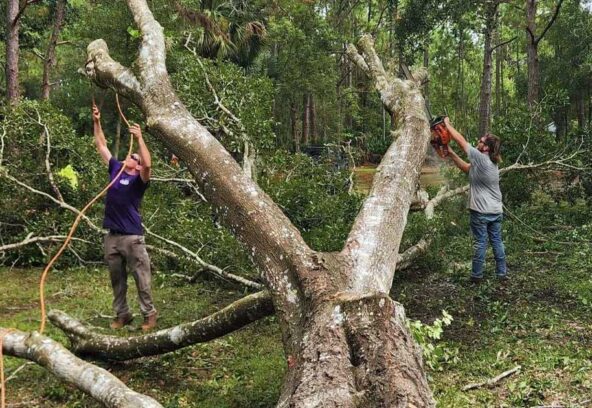
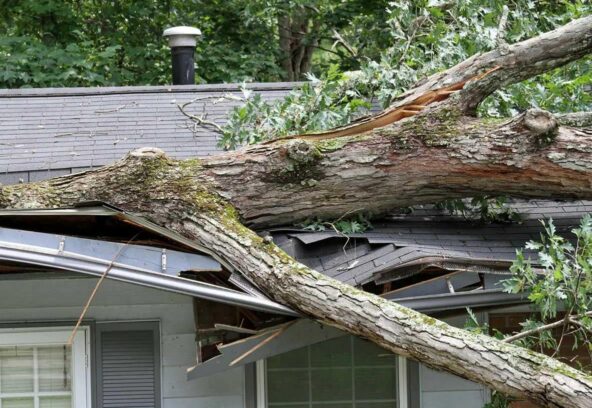
But here’s what we’ve seen happen too many times: a homeowner decides to wait another year, and then a summer storm takes the decision out of their hands. Except now instead of a controlled removal, you’re dealing with emergency service rates, roof damage, fence replacement, and an insurance claim. We’ve seen $800 removals turn into $15,000 disasters because of timing.
And then there’s the property value angle. Research consistently shows that well-maintained landscape trees can contribute 5% to 8% to home value—sometimes as much as 15%. But a visibly declining or hazardous tree? That’s a liability that savvy buyers and their inspectors will notice. Dead trees and brown lawns are specifically called out as red flags in home appraisal guidance.
What a Real Assessment Looks Like
When you call us for an evaluation, here’s what happens:
- We walk your property with you. We want to know what you’re concerned about, what you’ve noticed, and what your goals are for the property. Sometimes homeowners spot things we’d miss, and your observations about how a tree has changed over time are genuinely valuable information.
- We examine the tree systematically—trunk, canopy, root zone. We’re looking for the warning signs we discussed, but we’re also looking for context. A tree with some deadwood in a backyard with no targets is a very different situation than the same tree overhanging your child’s bedroom.
- We give you honest recommendations. That might mean removal. It might mean pruning. It might mean “keep an eye on it and call us if anything changes.” And if we recommend removal, we’ll tell you why—not just “it’s unsafe,” but specifically what we’re seeing and what the risk is.
We Do This a Little Differently
At Homegrown Outdoors, we’re not in the business of removing trees that don’t need to come down. Every tree we take out is one less tree in our community, and we take that seriously.
My dad Richard and I have been doing this together for eight years. We’re ISA-trained, we follow ANSI A300 pruning standards, and we stay current on the research—including Dr. Gilman’s work out of UF on how trees respond to pruning and damage. We’re not a franchise with a sales quota. We’re your neighbors. We’re the purple trailer guys you see around Titusville, Melbourne, and Palm Bay.
When we tell you a tree can be saved, we mean it. And when we tell you it needs to come down, we’ll explain exactly why.

Ready to Know for Sure?
If you’ve got a tree you’re worried about—or one you’ve been putting off dealing with—give us a call at (321) 376-3781 or request a free estimate through our website. We’ll come out, take a look, and give you a straight answer. No pressure, no upselling, just honest assessment from people who actually care about trees.
Because the best time to make this decision is before a storm makes it for you.
— The Homegrown Outdoors Team
Central Florida’s Tree Care Professionals