
Hurricane Season Prep: Protecting Your Trees Before the Storm

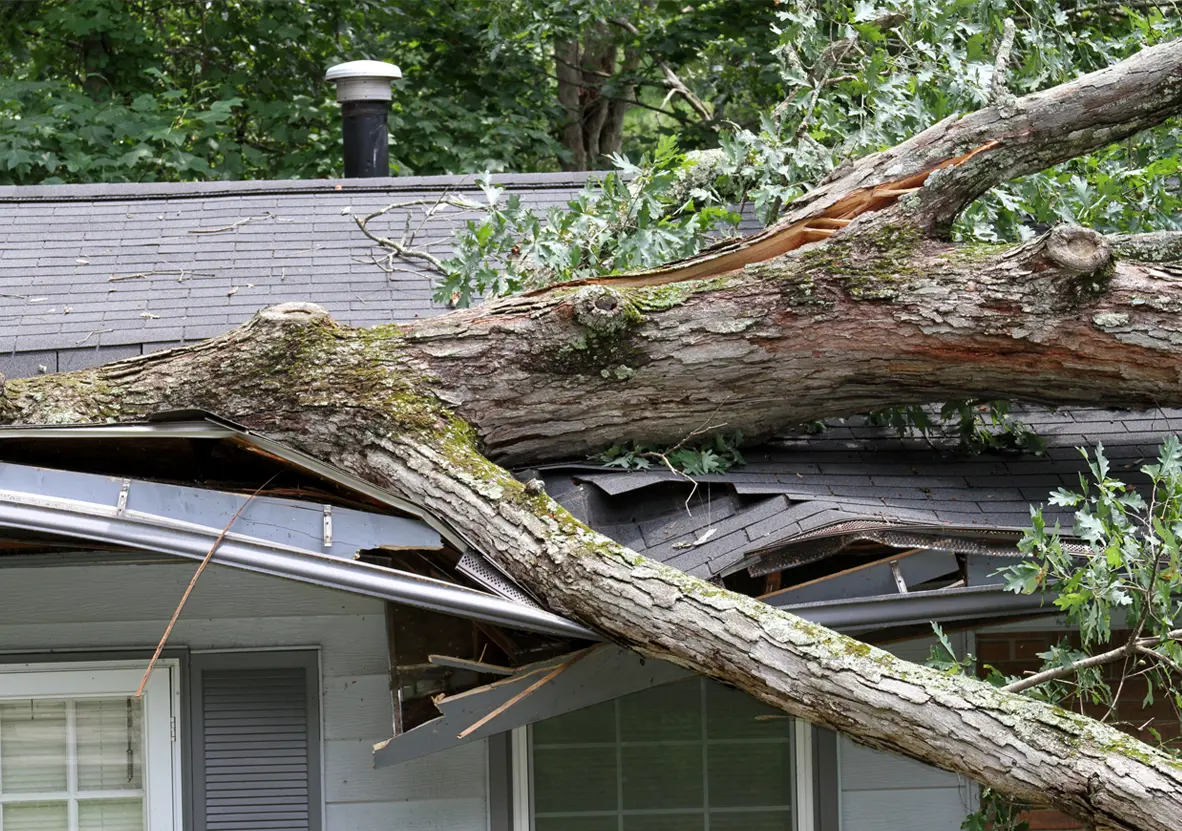
If you live in Florida, you know the routine. Around June, you start keeping one eye on the weather maps, making sure you’ve got batteries and bottled water, and hoping this year will be a quiet one. But while you’re checking your hurricane shutters and securing lawn furniture, there’s one critical piece of storm prep that often gets overlooked until it’s too late: your trees.
Those beautiful mature oaks and palms that give your property shade and character? They’re one of your home’s greatest assets—adding thousands to your property value and making your yard a place you actually want to spend time. But when a storm rolls in, an unprepared tree can quickly become a serious liability. The good news is that with the right preparation, you can significantly reduce the risks and protect both your trees and your property. Let me walk you through a practical checklist for hurricane tree prep that’ll give you real peace of mind this storm season.
Understanding the Risks: Why Tree Preparation Matters
Here’s the truth: most tree damage during hurricanes is preventable. I’ve seen it time and again over my years in tree care—the trees that fail during storms are usually the ones that were already compromised before the first wind gust ever hit.
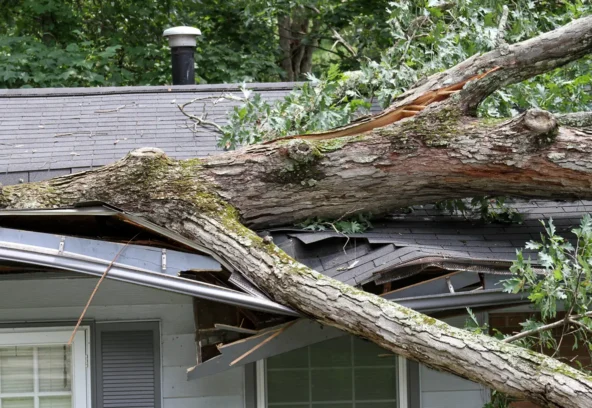
When hurricane-force winds arrive, three main dangers emerge. Dead or damaged branches that seemed harmless on a calm day suddenly become missiles flying through the air at 100 mph. A dense, unpruned canopy acts like a giant sail, catching wind and putting enormous stress on the trunk and root system. And trees with structural problems—like decay, weak root systems, or poor architecture—can uproot entirely, bringing tons of wood crashing down onto whatever’s beneath them.
Protecting trees from hurricanes isn’t just about avoiding property damage, though that’s certainly important. It’s about protecting your investment in your landscape and, more importantly, ensuring your family’s safety. A well-maintained tree can weather even a major storm, continuing to provide shade, beauty, and property value for generations. A neglected tree becomes a ticking time bomb every time a tropical system enters the Gulf.
Your Pre-Season Tree Health Checklist
The best time for storm proofing trees is well before hurricane season starts—ideally in late winter or early spring. But even if you’re reading this in July, it’s not too late to do a thorough inspection. Here’s what to look for when you walk your property:
The Four D’s – Your First Warning Signs:
Structural Red Flags:
Co-dominant stems: Multiple trunks of similar size competing for dominance, creating weak attachment points.
If you’ve checked off more than one or two items from this list, it’s time to call in a professional for a proper assessment. Your trees—and your property—will thank you for it.
The Right Way to Prune for Hurricanes
Here’s where a lot of well-meaning homeowners make a critical mistake. They think that cutting a tree way back—what we call “topping” or “hat-racking”—will make it safer in a storm. The opposite is actually true, and I’ll explain why in a moment. First, let’s talk about what hurricane pruning should actually accomplish.
The goal of proper tree trimming before storm season is to allow wind to pass through the canopy rather than pushing against it like a solid wall. Think of it like opening windows during a storm to equalize pressure—you want to create pathways for wind to flow through, reducing the force on the trunk and root system.
What You SHOULD Do: Thinning
Proper thinning involves selectively removing certain branches throughout the canopy to reduce density while maintaining the tree’s natural shape and structure. This means removing some interior branches to open up the crown, reducing the weight on long horizontal limbs, and eliminating crossing or rubbing branches that create weak points. The key word here is “selective”—you’re not just randomly chopping branches, you’re making strategic cuts that improve the tree’s wind resistance while keeping it healthy.
For small branches (smaller than your wrist) on younger trees, this is something a confident homeowner might tackle with proper tools and safety equipment. But even then, knowing which branches to remove requires some knowledge of tree biology and structure.
What You Should NEVER Do: Topping
Tree topping—cutting all the branches back to stubs or removing the entire top of the tree—is one of the worst things you can do to a tree, despite how common it is. Here’s why: when you top a tree, you remove all the food-producing leaves, sending it into survival mode. The tree responds by rapidly producing weak, poorly-attached sprouts from the cut ends. These new branches grow fast but are actually MORE likely to break in a storm than the original branches would have been. Plus, the large topping cuts create entry points for decay and disease, weakening the entire tree structure.
I’ve seen countless trees that were topped “for safety” before a storm end up completely failing during the next hurricane, while their properly pruned neighbors came through just fine. Don’t fall for this outdated, harmful practice.
Know When to Call a Professional
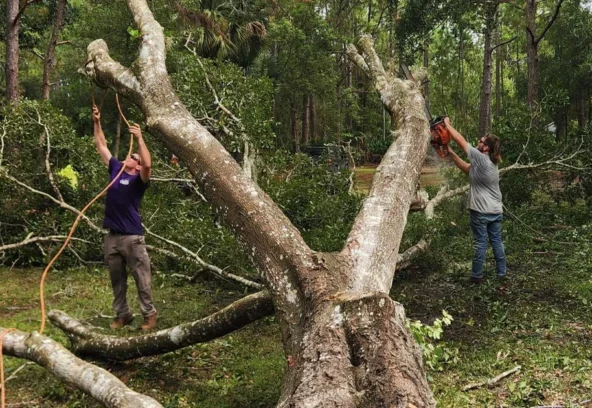
Let me be crystal clear about this: for any branch larger than your arm, any tree work near power lines, or any job that requires you to climb a ladder with a saw in your hand, you need to hire a certified arborist. Period.
Tree work is one of the most dangerous jobs in America, and it requires specialized knowledge, equipment, and experience to do safely. A certified arborist understands tree biology, proper pruning techniques, safety protocols, and has the insurance to protect you if something goes wrong. We use specialized climbing techniques (like spikeless climbing that doesn’t damage the tree), rigging systems to control falling branches, and follow the standards set by the International Society of Arboriculture (ISA).
The money you save by doing it yourself isn’t worth a trip to the emergency room—or worse. And improper pruning can cost you thousands in tree damage or removal down the road. Trust me on this one: when it comes to tree safety storm season, the pros exist for a reason.
The Right Way to Prune for Hurricanes
Okay, so you’ve been monitoring the tropics and now there’s a named storm heading your way with landfall expected in 48 hours. What should you do about your trees?
Do These Things:
Don’t Do These Things:
Be Ready Before the Wind Blows
The bottom line is this: protecting your trees from hurricanes starts months before the first tropical wave forms off Africa. Regular maintenance, proper pruning techniques, and professional assessments are your best defense against storm damage. Those few hours you invest in tree care now can save you thousands in property damage, not to mention the irreplaceable value of a mature tree that’s been part of your landscape for decades.
Living in Florida means living with hurricanes—it’s part of the deal when you call this beautiful state home. But it doesn’t mean you’re helpless. Taking these proactive steps gives you real control over your property’s safety and your peace of mind when storm season rolls around.
Don’t wait for a storm to be named. If you’ve noticed any of the warning signs on your trees or want a professional assessment before hurricane season kicks into high gear, contact the team at Home Grown Outdoors today for a free consultation. We’re your neighbors here in Central Florida, and we’re committed to helping you prepare for storm season with confidence. With over a decade of experience in tree care and a focus on proper arboriculture standards, we’ll help you create a plan that protects both your trees and your property. Give us a call at 321-987-1258—let’s get your trees storm-ready together.